
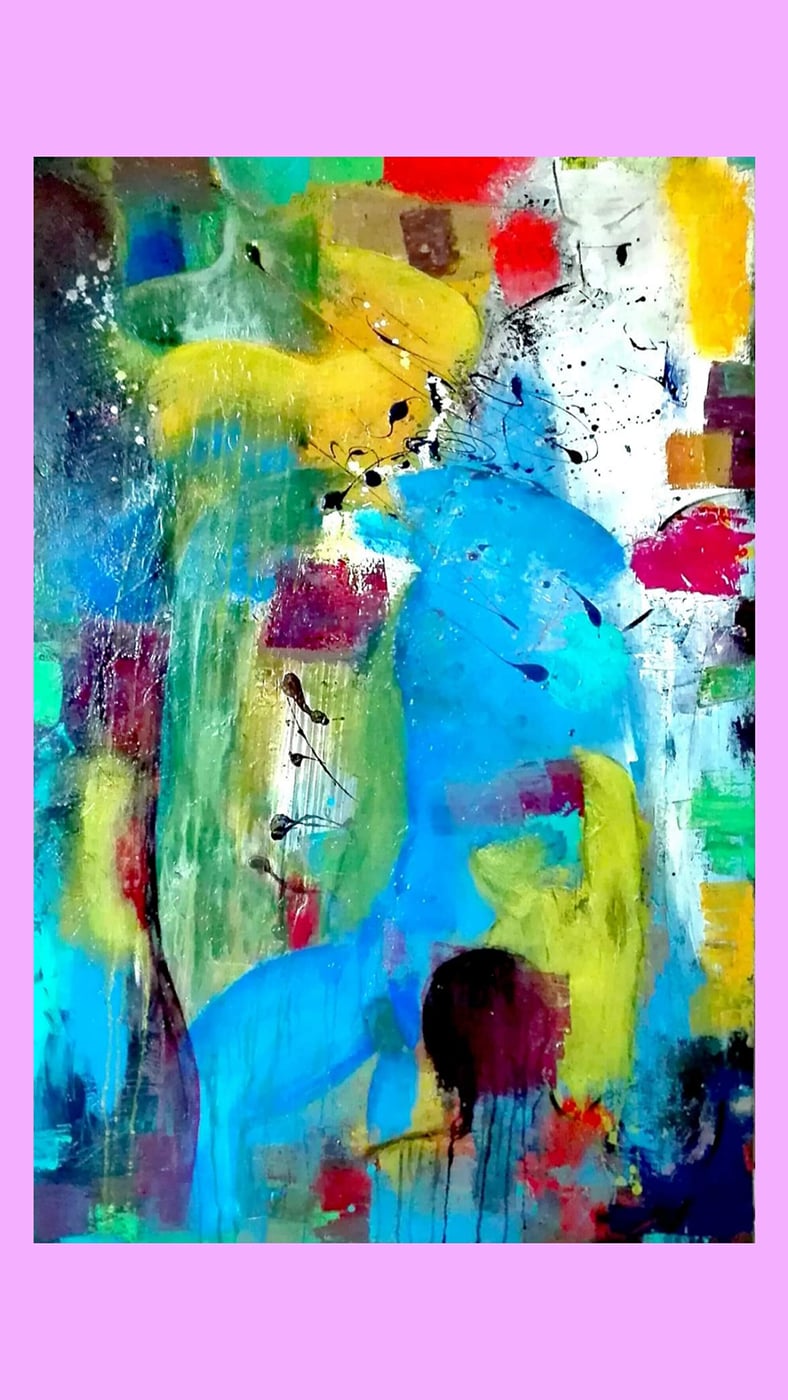
How to Photograph Artwork for an Online Portfolio
How to Photograph Artwork for an Online Portfolio
Good documentation is accurate before it is impressive. A step-by-step workflow for light, colour, geometry, editing, file preparation and installation views.
Documentation often becomes the version of an artwork seen by curators, collectors and audiences. Its purpose is not to make the work more dramatic than it is. It should communicate colour, scale, surface and form as accurately as the medium allows.
Prepare the work and the room
Clean glazing, remove dust and check the edges. Hang two-dimensional work flat and parallel to the camera. Clear visual clutter unless you are intentionally making an installation view. Photograph before packing or exhibition deadlines create pressure.
Choose the largest area in which you can step back. Distance reduces perspective distortion and allows a longer focal length.
Use soft, even light
For paintings and works on paper, place two matching lights at roughly 45 degrees on either side. Diffuse them so that illumination is even from corner to corner. Turn off mixed room lighting. A bright overcast day beside a large window can work, but avoid changing clouds and direct sun.
Glossy surfaces may require moving the lights farther sideways or using polarising filters. Sculpture usually benefits from a larger soft key light, gentle fill and enough shadow to describe volume.
Keep the camera square
Place the lens at the centre height of the work and make the sensor plane parallel to its surface. Use a tripod and grid lines. If the rectangle appears narrower at one edge, move the camera before relying on software correction.
A standard or short telephoto lens is usually safer than a wide lens. On a phone, use the main camera rather than ultra-wide mode and step back.
A technically quiet photograph allows the artwork — not the documentation — to hold attention.
Control exposure and colour
Shoot RAW when possible. Use a low ISO, an aperture with good sharpness and a timer or remote release. Include a grey card or colour target in one reference frame under the same light. Check highlights closely: pale paper and glossy paint can lose detail before the overall image looks overexposed.
Set one white balance for the series. Auto white balance may shift between frames and make related work appear inconsistent.
Edit with restraint
Correct perspective, crop cleanly, neutralise colour using the reference and adjust exposure so that the digital file resembles the work under neutral light. Remove sensor dust but do not erase texture, damage or features of the artwork.
Compare the screen and object side by side in stable light. No display is perfectly neutral, but a calibrated monitor reduces guesswork.
Document scale and installation
A straight reproduction cannot communicate every material fact. Add oblique details for texture and an installation view that shows relation to body and architecture. Keep walls vertical and do not exaggerate room size with a wide lens.
If a person appears only for scale, ensure they do not obscure the work and obtain consent for publication.
Prepare files for different uses
Keep a full-resolution master in a non-destructive format. Export a web JPEG or WebP in sRGB, usually 2000–3000 pixels on the long edge, with moderate compression. Follow specific application limits rather than repeatedly compressing the same file.
Name files with artist, short title, year and view number. Embed copyright and caption information when possible. Back up masters in at least two locations.
Build a repeatable station
Mark tripod and light positions, save camera settings and keep a documentation checklist. Consistency across a series makes a portfolio feel intentional and reduces the urge to over-edit older images to match newer ones.
When reproduction is technically demanding or the work is being archived, published or printed at scale, hire a specialist. Accurate documentation is an investment in the future visibility of the practice.
Continue reading
More from the journal.
Queer Culture · 8 min read
Supporting LGBTQ+ Artists Beyond Buying a Work
Artist Practice · 11 min read
How to Build an Artist Portfolio That Tells a Clear Story
Living with Art · 11 min read
How to Choose Art for Your Home: A Guide to Curating Your Space
Queer Art is built around artists, context and sustained attention.
Discover our artists